 TESTYOUR
A Socialized T-Type Is Warmer Than an Untamed F-Type
Contrary to the stereotype that Thinkers are cold and Feelers are kind, an unbridled F-type can end up hurting the very people beside them. Looking at Killua removing Illumi's needle and rescuing broken Gon reframes how T vs. F works in real life too.
In everyday personality talk, one assumption sticks harder than most: Thinking (T) types are cold realists with little patience for feelings, while Feeling (F) types are naturally warm and empathetic. As casual shorthand that sounds neat, yet under real pressure it falls apart fast.
Putting Killua Zoldyck (INTP Dossier) side by side with Gon Freecss (ESFP Dossier) in Hunter x Hunter shows why.
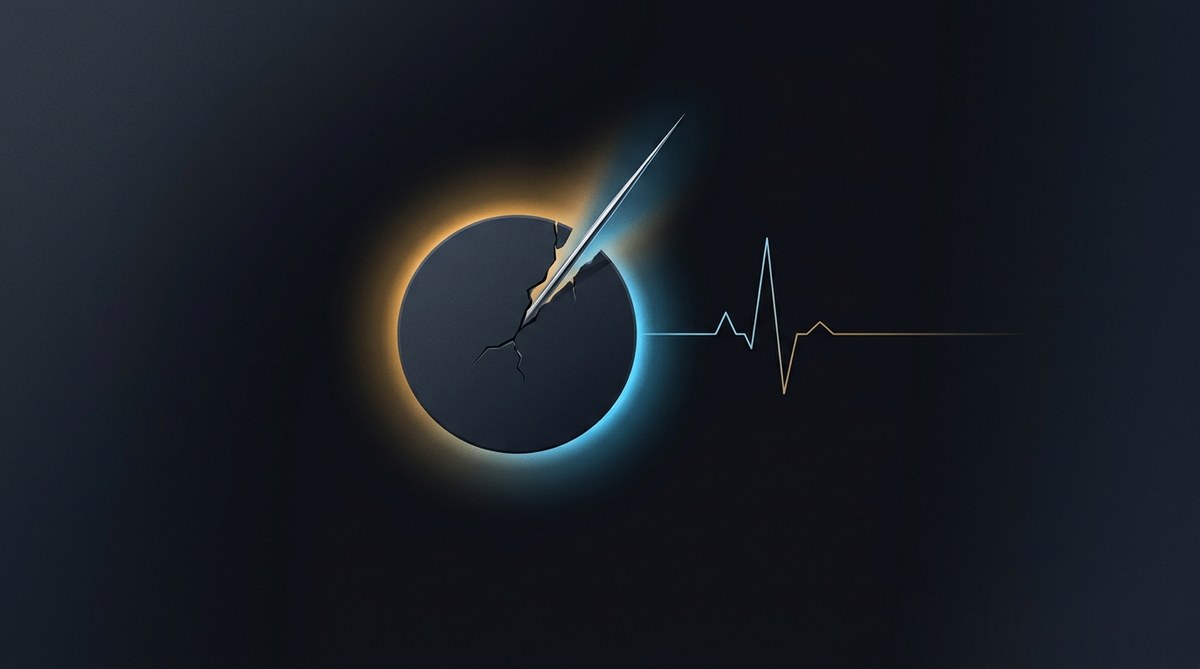
(Original TESTYOUR Artwork)
1. Pulling the Needle and Breaking Down in Tears for Gon (Socialized T)
Raised as an assassin, Killua is wired to calculate odds and stay alive. By pure logic, walking away from unwinnable fights and avoiding emotional attachments would always be the smart play—and the needle Illumi planted in his skull reinforced exactly that cold survival reflex.
Yet Killua tears open that conditioning and pulls the needle out himself simply because he wants to protect Gon. Rationing logic aside, he overrides lifelong survival programming the moment someone he loves needs him not to run.
Even harder to forget is what follows in the Chimera Ant arc. When Gon lashes out and wounds Killua with cold dismissal, Killua swallows the hurt instead of walking away in spite. Moments later, he breaks down in front of Palm, pleading through tears: "You're the only one who can save him—Gon needs you." Even while bleeding emotionally himself, he keeps asking what the other person actually needs to survive.
2. Hurting the One Who Stayed—Then Needing That Same Friend to Heal (Untamed F)
Gon sits on the opposite pole: an F-type guided directly by raw personal feeling. In peaceful moments that purity looks bright and welcoming, yet an untamed F-type facing real trauma turns inward in a frightening way.
As noted in our Adult Gon analysis, once Kite's fate shattered Gon emotionally, he pushed aside and wounded the person he actually needed to protect—Killua—trying to burn through everything alone until nothing was left of himself either.
And who stayed to pick up the pieces, carry a ruined Gon on his back, and see him healed through the Election arc? Killua again. The emotional mess created by unrestrained feeling fell right onto the shoulders of the supposedly "cold" T-type.
3. Why Talking to T-Types Often Feels Easier in Everyday Life
Step outside anime into ordinary friendships or office life and a similar pattern shows up. Honestly, in day-to-day conversations, talking with a grounded T-type often feels much easier than dealing with an unguarded F-type.
The biggest reason is simple: it costs less energy. Around someone driven by raw mood swings or fragile personal offense, you end up spending half your energy tiptoeing around their feelings just to keep the conversation from tipping over. A socialized T-type may sound blunt or plain, yet they do not dump their emotional turbulence onto you. You can speak cleanly without exhausting guesswork—and when something actually goes wrong, they stay steady and help carry what needs fixing.
Real warmth does not come automatically from leading with emotion (F). More often, it comes from controlling your own impulses well enough not to harm the person standing beside you.