 TESTYOUR
4 Leadership Archetypes in Hunter x Hunter Through a Corporate Lens
What is the most exhausting moment in modern office life?
A heavy workload before a product launch can be survived with late-night coffee and camaraderie. A mediocre cafeteria lunch can be solved by walking down the street. What truly breaks a team's spirit is when a leader's reckless stubbornness and emotional tunnel vision drag the entire department into an unwinnable crisis—while calling it "passion."
When you revisit Yoshihiro Togashi's Hunter x Hunter after spending a few years in corporate organizations, the story reads less like a fantasy battle manga and more like a brutally honest case study in organizational psychology. Every startup founder, project manager, risk officer, and department head you have ever worked with appears in the narrative's high-stakes arcs. Let us examine how five pivotal decision-makers handle crisis, where each style fails, and how real-world teams survive.
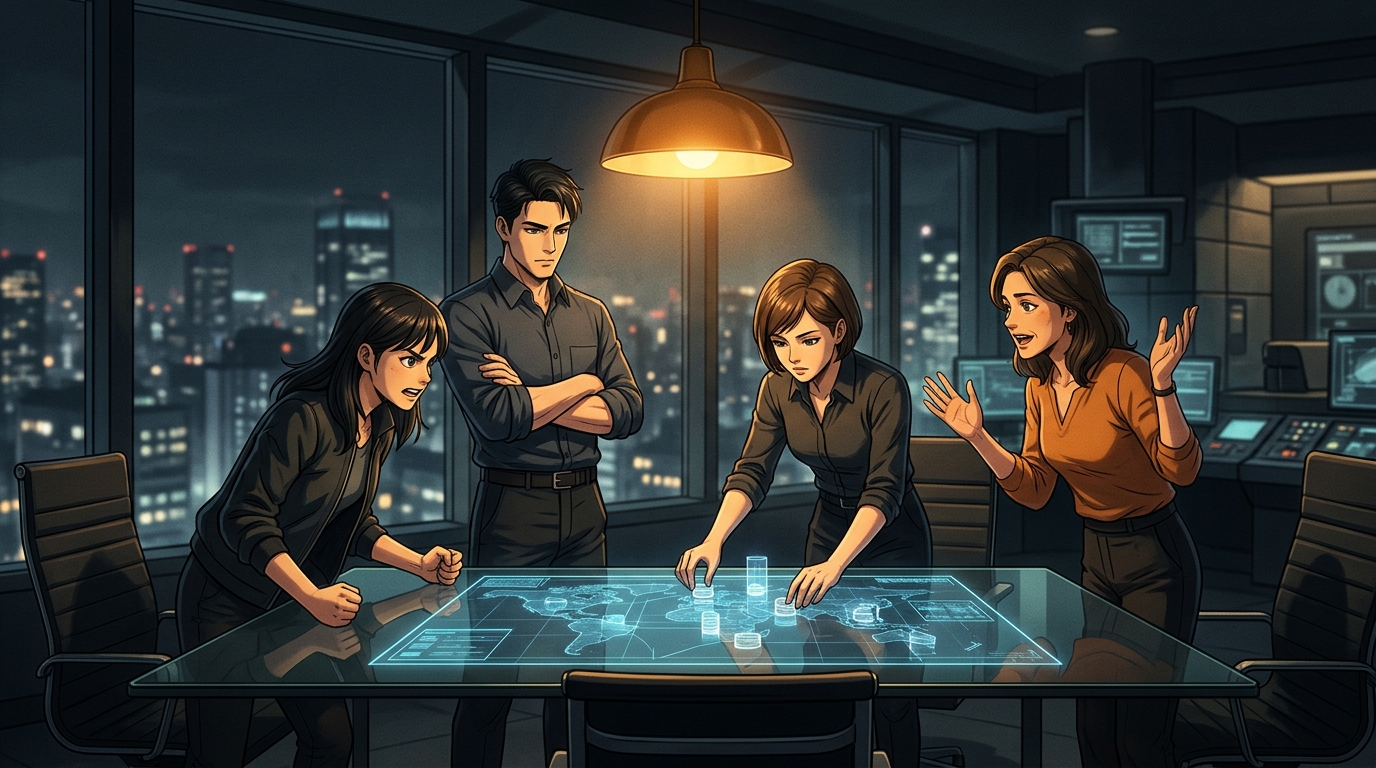
(Original TESTYOUR illustration)
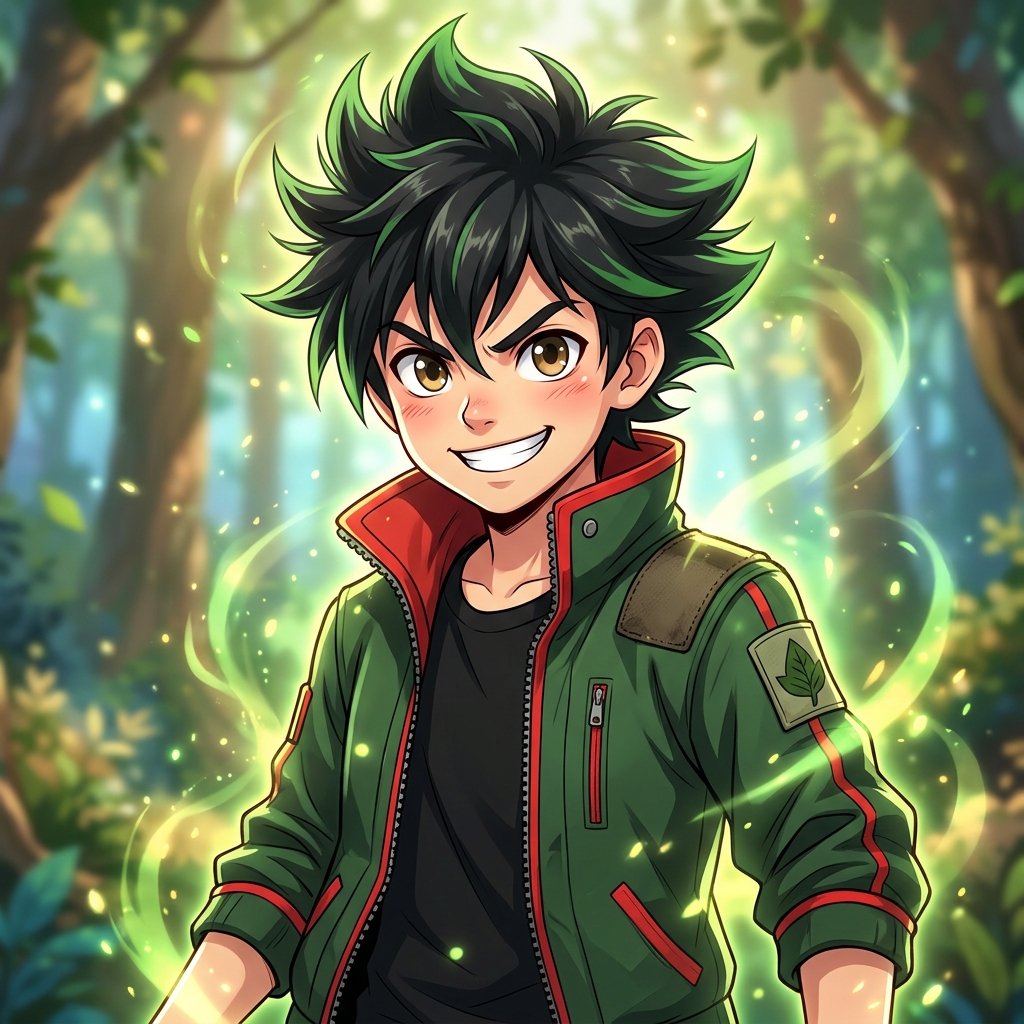
1. Gon Freecss: The Frontline Vanguard (and the Burnout Hazard)
Gon's leadership style is defined by pure action, uncompromised conviction, and frontline courage. Unlike armchair executives who issue vague directives from behind a desk, Gon always charges into the most dangerous problem first. During the Trick Tower majority-vote trial or the Greed Island dodgeball match against Razor, his refusal to accept conventional limits rallies everyone around him.
- Why People Follow Him: Contagious momentum and radical authenticity. When a project looks dead on arrival, a Gon-type leader spots an unconventional third path (like breaking through the wall after the timer expires during the Trick Tower exam) that pure analysts overlook.
- The Reality for Teammates (Why Teams Burn Out): Gon has zero concept of compromise, sunk-cost management, or pacing. Once his personal sense of justice is triggered, resource constraints and team mental health cease to exist. During the Chimera Ant Palace Invasion, watching Killua silently absorb the emotional collateral damage while Gon spirals into single-minded vengeance mirrors the exact exhaustion of senior engineers and project coordinators trying to clean up after an impulsive founder. Put two Gon-types in charge of the same department without a risk officer, and turnover will hit 100%.
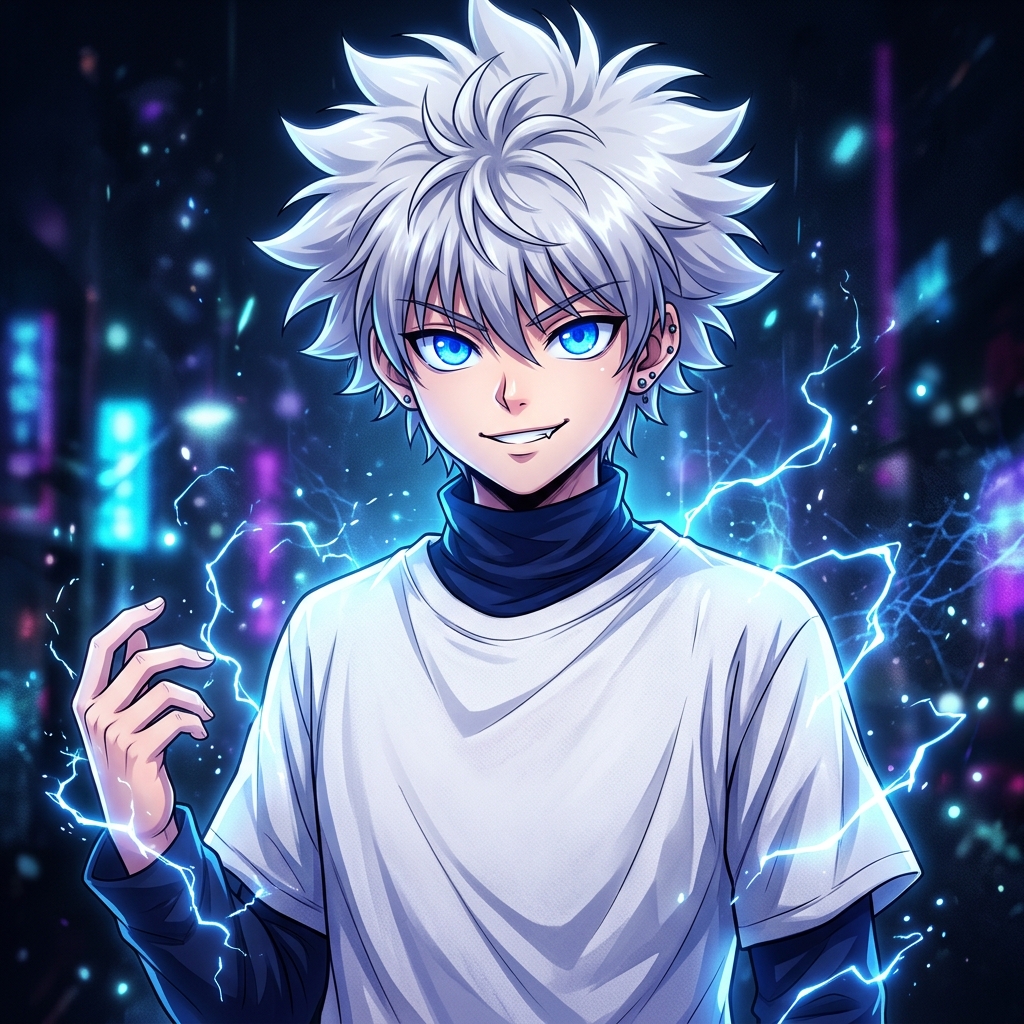
2. Killua Zoldyck: The Chief Risk Officer (CRO) Who Calculates Exit Routes
Where Gon sees only the target, Killua immediately maps the failure modes. Raised in the Zoldyck family's unforgiving assassination trade, Killua understands that miscalculating an opponent's capacity by even ten percent results in total annihilation.
- Where He Saves the Organization: When a team is intoxicated by wishful thinking ("If we just pull three all-nighters, the launch will magically work"), Killua is the voice in the conference room who coldly states: "With our current server capacity and timeline, this plan fails." In the Chimera Ant arc, it was Killua—not Gon—who knocked Gon unconscious to save his life when Kite was attacked by Neferpitou, preserving their ability to regroup and fight another day.
- The Operational Blind Spot: Left entirely to his early conditioning (symbolized by Illumi's needle), a hyper-cautious risk analyst can fall into defensive paralysis—abandoning opportunities whenever success probability drops below 90%. Killua needed Gon's fearless spark to break free of over-calculation, just as Gon needed Killua's cold realism to survive.
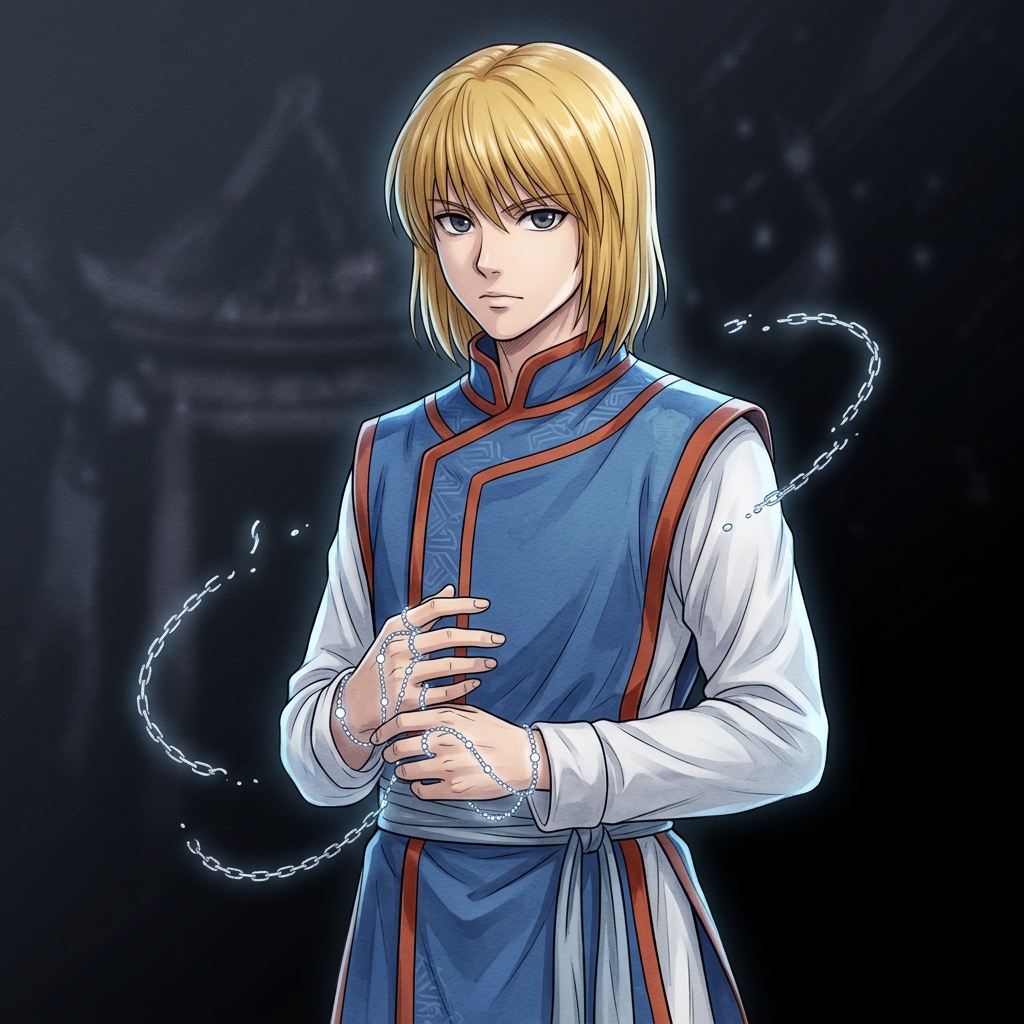
3. Kurapika & Leorio: The Constraint Strategist vs. The Psychological Safety Anchor
If Gon and Killua represent the extremes of impulse and risk calculation, Kurapika and Leorio embody the structural and human pillars of middle management.
Kurapika (The Architecture of Constraints): In the Yorknew City and Dark Continent Succession Contest arcs, Kurapika operates like a crisis-turnaround director working with a tiny budget against a conglomerate (the Phantom Troupe or the Kakin princes). Knowing he cannot win through raw volume, he designs asymmetric rules—Chain Jail and Steal Chain—that neutralize specific high-priority threats. However, his fatal flaw is hyper-responsibility: refusing to delegate until Emperor Time drains his own lifespan hour by hour.
Leorio Paradinight (Emotional Cohesion & Moral Grounding): On paper, Leorio has the lowest raw combat metrics of the main quartet. Yet during the 13th Hunter Chairman Election, it is Leorio—not a genius tactician—who nearly wins the chairmanship by expressing raw, unfiltered loyalty to a hospitalized friend. In real organizations, technical brilliance fractures without a Leorio who speaks up for fairness, checks on exhausted colleagues, and keeps the team emotionally human.
4. Chrollo Lucilfer: The Systems Architect ("The Spider Moves On Without the Head")
From an organizational design standpoint, Phantom Troupe leader Chrollo Lucilfer articulates one of the most striking management philosophies in fiction: "The head (leader) issues orders to the legs (members), but the head is merely another part of the Spider. Even if I die, someone else becomes the head, and the Spider continues."
- The Structural Lesson: Many managers secretly build bottlenecks around themselves so they feel indispensable—hoarding information and micromanaging approvals. When that manager takes a week off, operations grind to a halt. Chrollo builds a rule-governed collective where every specialist (from intelligence gatherers like Pakunoda and Shalnark to frontline enforcers like Uvogin and Feitan) understands the mission parameters and operates autonomously.
- The Shadow Side of Pure Systems: When a system treats every individual—including the leader—as replaceable hardware, it breeds existential detachment. Kurapika exploited this exact tension in Yorknew City when Pakunoda chose her personal love for Chrollo's life over the cold survival rule of the Spider.
5. Meruem: Evolving from Tyrant CEO to Listening Monarch
When the Chimera Ant King Meruem is born, he is the archetype of the arrogant, micromanaging executive who believes raw intellect and authority give him the right to crush subordinates for minor mistakes.
His transformation begins not on a battlefield, but across a Gungi board against Komugi—a blind girl with zero physical combat power who nonetheless defeats him effortlessly every single game. Through Komugi, Meruem realizes a truth that many executives never learn: competence is multi-dimensional, and a person who appears weak by one metric may possess irreplaceable mastery in another.
The Moment True Authority Begins
Insecure leaders double down on mistakes because they fear admitting error will destroy their authority. Meruem's genuine majesty emerged the moment he acknowledged his own blindness, respected Komugi's mastery, and bowed gently before Palm Siberia to ask for the person who mattered to him.
6. Comparative Matrix: 5 Organizational Leadership Models
| Character Model | Core Organizational Role | Greatest Strength | Primary Failure Mode |
|---|---|---|---|
| Gon Freecss | Frontline Catalyst | Breaks through impossible deadlocks with sheer conviction | Emotional tunnel vision; ignores team burnout & sunk costs |
| Killua Zoldyck | Chief Risk Officer (CRO) | Rapid threat calculation, crisis containment, exit planning | Over-caution when operating without a trusted partner |
| Kurapika | Strategic Turnaround Lead | Asymmetric planning, contract negotiation, rule precision | Refusal to delegate; severe self-sacrificial burnout |
| Chrollo Lucilfer | Systems Architect | Decentralized autonomy; organization survives without the leader | Emotional detachment; friction between rules and human bonds |
| Meruem | Adaptive Executive | Rapid learning curve; evolves to recognize diverse forms of talent | Early authoritarian hubris before encountering a true equal |
Conclusion: Surviving and Leading in Real Teams
No single person can simultaneously be the fearless vanguard, the cold risk analyst, the meticulous strategist, and the empathetic anchor. Healthy teams survive because these temperaments check and balance one another: Killua pulls Gon back from the cliff, Leorio reminds Kurapika that he is not alone, and Komugi teaches Meruem humility.
Recognizing which archetype your manager—and you yourself—default to under stress is the first step toward keeping both your project and your sanity intact.